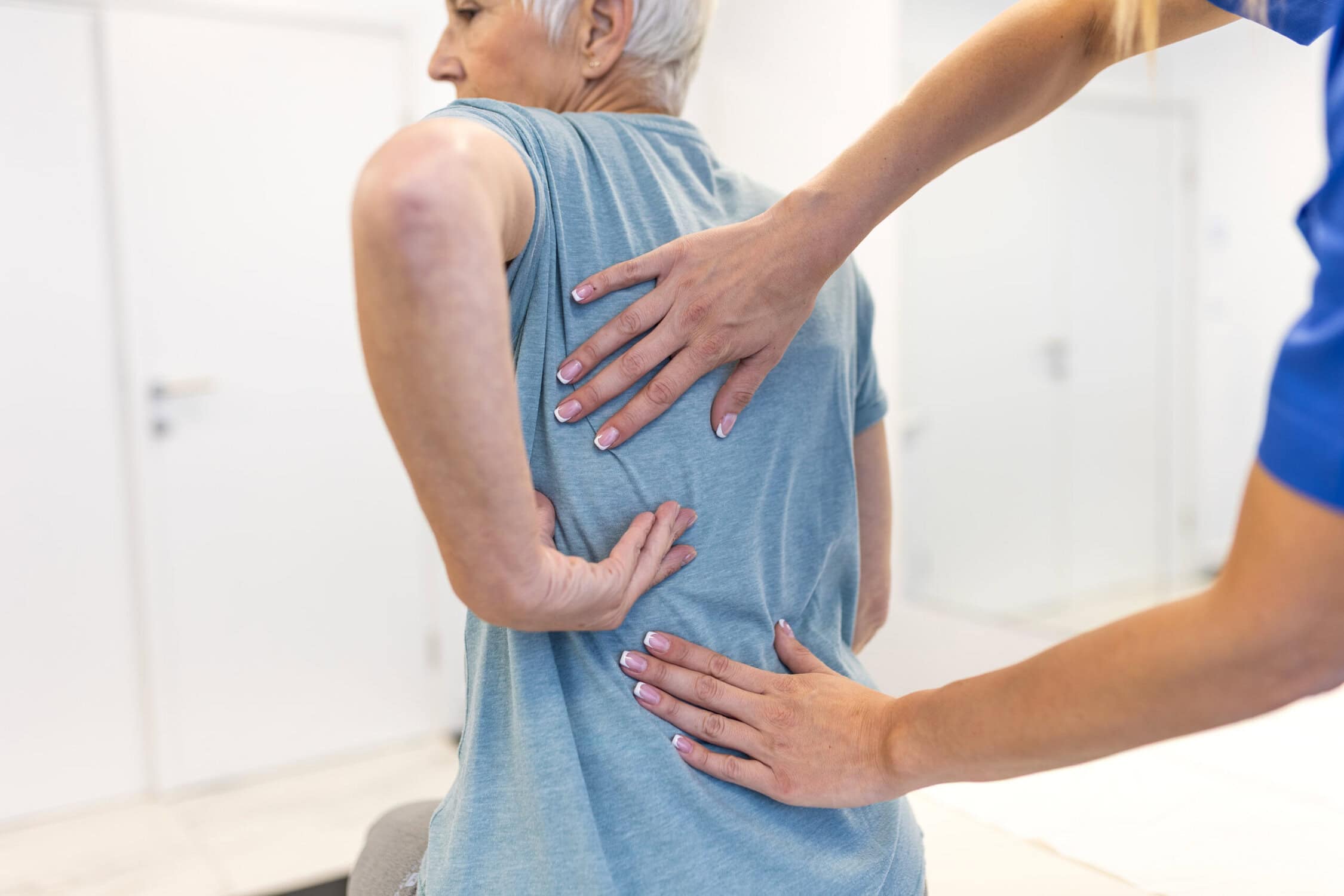
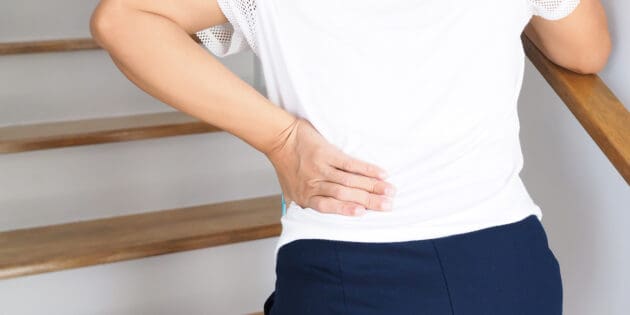

Lower back and hip pain can be incredibly frustrating, especially when it seems to come out of nowhere and lingers, impacting everything from sitting comfortably to getting a good night’s sleep. If you’ve been asking yourself, “Why do I have lower back and hip pain?”—you’re not alone. These areas are closely connected, and pain in one often affects the other, creating a cycle of discomfort that can be hard to break.
As a physical therapist, I see this combination of pain frequently, and it can have a variety of causes, from muscle strain to issues with your joints or nerves. Understanding what’s behind your pain is the first step toward finding relief, which is why in this blog, we’ll walk through some common reasons for lower back and hip pain and offer guidance on how to manage it.
More Posts Like This From Intecore Physical Therapy:
How to Get Out of Bed Without Back Pain on Cold Mornings
Quick Relief: Tips for Managing Sudden Hip and Lower Back Pain
Table of Contents
Why do lower back pain and hip pain happen together?
Lower back and hip pain often go hand-in-hand, and there’s a good reason for that—these areas are deeply interconnected. The muscles, ligaments, and joints in the lower back and hips work together to support your body, stabilize your movements, and keep you balanced. When one area is strained, it’s common for the other to pick up extra tension as well, leading to pain that feels like it’s radiating or spreading.
Think of it this way: if you have tension or weakness in your lower back, your hips may compensate, which can lead to overuse or strain in that area. Similarly, hip joint issues can cause your lower back muscles to tighten up in response. This connection means that treating one area often helps relieve pain in the other, which is why understanding this relationship is so helpful. As we look at specific causes of lower back and hip pain in the next section, you may start to see patterns that relate directly to your experience.
1. Is it muscle strain, or something else?
Whether it’s from a tough workout, lifting something heavy, or even prolonged poor posture, overuse can lead to tight, sore muscles in both the lower back and hips. When muscles in one area become tense, they pull on surrounding muscles, creating a chain reaction of tension and discomfort.
Muscle strain often feels like a dull ache or soreness, and you may notice stiffness that makes it harder to move freely.
What to Do: Gentle stretching and rest can be incredibly helpful for muscle strain. Focus on keeping good posture and avoiding heavy lifting or intense exercise until the soreness subsides.
2. What does sciatica feel like in the hip?
This condition occurs when the sciatic nerve, which runs from the lower spine through the hips and down each leg, becomes compressed or irritated. When this happens, it can cause pain that radiates from the lower back down to the hip and even further into the leg.
What to Do: Resting initially can help, but gentle movements and stretches that focus on the lower back and hip can also provide relief. Physical therapy is particularly effective for managing sciatica, as it can address the underlying cause of the nerve compression and offer exercises that reduce pain and promote healing.
3. Can arthritis cause both hip and low back pain?
Arthritis, particularly osteoarthritis, can affect both the lower back and hip joints, leading to stiffness, inflammation, and chronic discomfort. As we age, the cartilage that cushions our joints begins to wear down, making movement less smooth and causing bones to rub against each other. This friction can result in pain that radiates between the lower back and hip.
Arthritis pain often worsens with activity and eases with rest. You may notice stiffness, especially in the morning or after sitting for long periods.
What to Do: Staying active with low-impact exercises, like walking or swimming, can help keep joints mobile. A physical therapist can provide tailored exercises to strengthen the muscles around your joints, which can reduce pressure and improve pain management.
4. Can the SI joint cause hip and low back pain?
The sacroiliac joint, which connects the lower spine to the pelvis, plays a big role in stabilizing your lower body. When this joint becomes inflamed or misaligned, it can lead to pain in the lower back and hips. SI joint dysfunction is often confused with sciatica because the pain can radiate in a similar pattern, but it’s caused by issues in the joint itself rather than nerve compression.
What to Do: Core strengthening exercises can help stabilize the SI joint, reducing pain and preventing further irritation. A physical therapist can guide you through gentle, targeted exercises and suggest supportive measures to alleviate pain.
5. Can a bulging/herniated disc cause hip pain?
A herniated or bulging disc in the lower spine can press on nearby nerves, leading to pain in both the lower back and hips. This is often caused by wear and tear or sudden movements that put stress on the spine. When a disc herniates, it can irritate nerves that extend into the hips, causing pain that feels both local and radiating.
Disc-related pain can range from mild to severe and is often accompanied by numbness, tingling, or weakness in the legs.
What to Do: While rest can be helpful in the short term, targeted exercises to strengthen the back and core are key to long-term relief.
Quick self-check: what your pain pattern often means
- Pain down the leg + tingling/numbness/weakness: nerve irritation (often called sciatica).
- Groin pain or pain getting in/out of car, putting on socks: more hip-joint driven patterns.
- Pain after sitting, then sharp when you stand up: can be back, hip, or both — pattern matters more than the label.
- Pain with rolling in bed / one-sided low back-buttock pain: SI joint can be a contributor
What should I do first to feel better?
If you’re dealing with lower back + hip pain, the best “first move” isn’t a perfect stretch, it’s stopping the thing that keeps poking the bear… while you keep moving enough to stay loose.
Here’s a simple, high-impact sequence we use all the time:
1) Find your “relief position” (2 minutes)
Try lying on your back with calves on a couch (hips/knees at 90°) or lying on your side with a pillow between your knees.
If either position drops your pain even 20–30%, that’s a good sign you can calm things down fast
2) Take one calm walk today (8–12 minutes).
Walking is often the safest way to keep your back/hip from stiffening up — and it helps your nervous system stop guarding so hard.
3) Pick one movement to “undo the trigger.”
Choose the one that matches how you flare up:
- If sitting makes it worse: stand up every 30–45 minutes and do 10 gentle backward bends (hands on hips, small range).
- If standing/walking makes it worse: try knees-to-chest gently or the 90/90 position for 60–90 seconds, then re-try walking.
- If bending/lifting sets it off: switch to a hip hinge (butt back, neutral spine) and avoid repeated deep flexion for 48 hours.
4) Use “less, but smarter” for 48 hours.
Don’t shut your life down, just temporarily reduce:
- long car rides
- deep stretching into pain
- heavy lifting + twisting
- “I’ll push through it” workouts
5) Test this rule (it’s the cheat code):
✅ Better during and better after = keep it.
❌ Worse during or worse later that day = pause it and pivot.
6) If it’s not clearly improving in 7–10 days, get it assessed.
Back + hip pain can come from your back, your hip, the SI joint, or nerve irritation — and the right plan depends on which driver is actually in charge. A good PT exam usually figures that out quickly and saves you weeks of guessing.
Bottom line: calm it down first, keep gentle movement, and only add exercises that reliably make you feel better — not just tired.
Need Relief from Lower Back and Hip Pain?
If you’re tired of dealing with lower back and hip pain, let us help you find relief.
If you need some help, call us at 360-499-0604 or click here to book your appointment.
If you’re not quite ready to speak on the phone, but want some more tips, click here to download our Free Back Pain Tips Guide.

FAQ
What does it mean when your lower back and hips hurt?
It usually means your body is treating your low back + pelvis + hip like one unit (because… it is). The tricky part is that the pain location doesn’t always tell you the “driver.”
Here’s the quick way we think about it in clinic:
Beltline + outer hip/butt pain often points to the back/SI/soft tissue doing the talking.
Deep groin pain + stiffness is more suspicious for the hip joint itself.
Pain that travels (especially below the knee) or comes with tingling/numbness is more “nerve irritation” than “tight muscle.”
The most helpful question isn’t “what is it?”—it’s: what position or movement changes it fast? That’s the clue that separates hip-driven vs back-driven vs nerve-driven pain.
When to worry about hip and back pain?
Worry isn’t about the pain being “bad.” It’s about the pain coming with danger signals or changing in a concerning way.
Get checked quickly (same day / urgent) if you have:
New bowel/bladder control changes or numbness in the saddle area
Progressive leg weakness (foot drop, buckling, can’t push off)
Fever, chills, unexplained weight loss
A major fall/car accident or you can’t bear weight
Night pain that’s intense and unrelenting (not just “stiff”)
If none of those are present, most hip + back pain is not an emergency — but you should still get assessed if it’s not clearly trending better within 7–10 days, keeps recurring, or is changing your sleep/work/ability to walk.

- Low-Impact Cardio and Strength Training for Sciatica: What Actually Helps - June 1, 2026
- Spinal Fusion Recovery: What Patients in Bremerton, Silverdale, and Port Orchard Need to Know - April 8, 2026
- Hip Replacement Recovery: What Patients in Bremerton, Silverdale, and Port Orchard Need to Know - April 8, 2026