
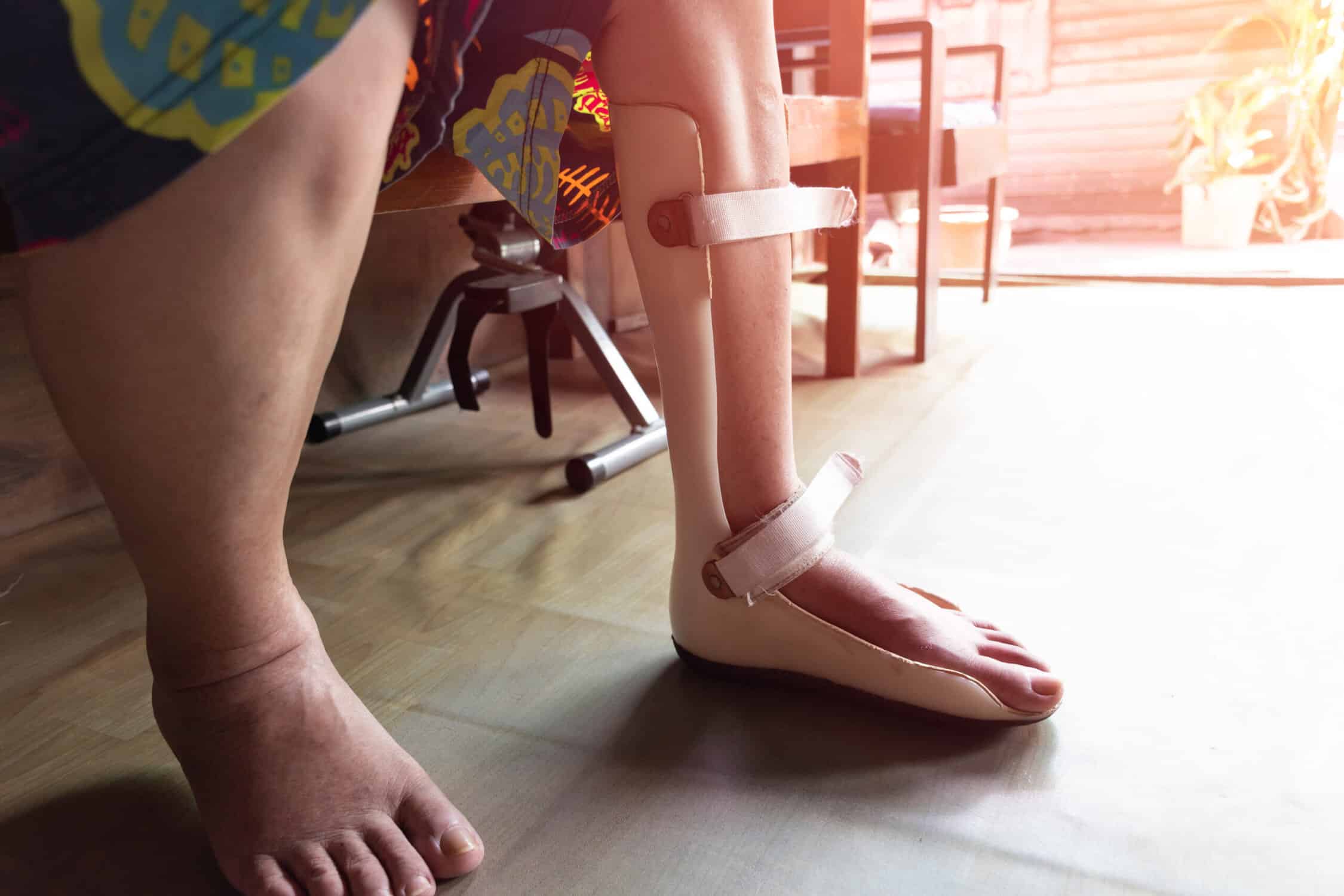
Ankle surgery is a crucial step towards regaining mobility and function after an injury, but what comes next is equally important: the recovery phase. While the success of ankle surgery largely depends on the skill of the surgeon, the speed and effectiveness of recovery rely mostly on post-operative care. As a seasoned physical therapist, I’ve guided countless individuals through their post-ankle surgery journey, and I’ve gathered a wealth of knowledge on the best practices to ensure a swift and safe recovery. In this blog post, we’ll dive deep into essential tips and tricks that can make your post-ankle surgery journey smoother. It is my goal that these insights will empower you to navigate this period with confidence and clarity.
Ankle surgery recovery is faster when you do three things really well: control swelling early, follow weight-bearing rules exactly, and start the right rehab at the right time (not too early, not too late). Your ankle usually “feels behind” before it suddenly catches up—so judge progress by function and trend, not day-to-day soreness. If swelling is climbing, pain meds aren’t touching it, or you’re getting fever/redness, call your surgeon.
More Posts Like This From Intecore:
Neuropathy Treatment for Feet: Effective Strategies for Relief
How Can I Get Help With Pain In My Achilles Tendon?
How Physical Therapy Can Help You Pre- & Post-Surgery
Table of Contents
Preparing for Ankle Surgery
Heading into ankle surgery can be a daunting experience, especially when you’re unsure of what to expect, so feeling prepared can really help.
You’ll start with a comprehensive consultation with an orthopedic surgeon which will provide you with a clear understanding of the procedure, its implications, and the expected outcomes. But the preparation doesn’t stop there. Incorporating preoperative exercises, under guidance, can significantly bolster the strength and flexibility of your ankle, giving you a smoother post-operative recovery.
Moreover, being aware of precautions ensures you avoid complications and sets the stage for optimal healing.
Preoperative Exercises and Precautions
Being proactive in the days and weeks leading up to your surgery can prevent potential complications. Your doctor will go through these with you. Some key precautions to consider include:
- Avoiding Certain Medications: Some medications and supplements can interfere with blood clotting. It’s vital to discuss with your surgeon about any medications you’re taking.
- No Smoking: If you smoke, consider quitting or reducing your intake leading up to the surgery as it can interfere with the recovery process.
- Keep Your Feet Clean: To reduce the risk of infection, ensure your feet and ankles are clean on the day of the surgery.
Armed with the right exercises and precautions, you can head into your ankle surgery with confidence, knowing you’ve done all you can to pave the way for a successful recovery.
Postoperative Care
Managing Pain and Swelling
It’s not uncommon for patients to experience pain and swelling after foot surgery. Here are some ways to manage these symptoms effectively:
- Elevation: Keep your ankle elevated above heart level as much as possible. This helps reduce swelling by allowing fluids to drain away from the ankle.
- Cold Compress: Applying a cold compress or ice pack wrapped in a cloth can numb the region, reduce pain, and limit swelling. Aim for 15-20 minute intervals.
- Compression: Wearing a compression bandage or stocking can support the ankle and limit swelling. However, ensure it’s not too tight to avoid circulation issues.
- Limit Movement: Especially in the initial days post-surgery, avoid putting weight on the operated ankle unless advised otherwise by your doctor.
Your doctor should provide you with a post-operative care plan, these are just some simple suggestions to help arm you with knowledge and confidence before surgery. You can find more tips here.
Following the Rehabilitation Plan
Having a plan is the key to a faster and more efficient recovery after ankle surgery. Here’s what you should keep in mind:
- Physical Therapy Sessions: Your physical therapist will design a tailored program to restore strength, flexibility, and balance. If you’re interested and would like to get help.
- Stay Consistent: Recovery is a process, and consistency is vital. Even on days when you feel better, stick to the prescribed routine to ensure a full recovery.
- Monitor Progress: Keeping track of your improvements can be motivating. Celebrate the small milestones along the way!
- Open Communication: If something doesn’t feel right, or if you have questions, communicate openly with your physical therapist. Your feedback will help them adjust the rehabilitation plan as needed.
By managing pain and swelling effectively and having a tailored rehabilitation plan, you set the stage for a smoother and more effective recovery.
The Intecore Recovery Rules (so you don’t accidentally slow healing)
- Swelling is the boss in the first 2 weeks. If your foot hangs down, swelling wins. Elevation + icing is standard early guidance after foot/ankle surgery.
- Follow weight-bearing orders like a recipe. “Just testing it” can set you back especially early on.
- Your next morning tells you the truth. If you’re more swollen/stiff/painful the next day, yesterday’s activity was too much.
- One variable at a time. Increase either time on your feet or walking distance or exercises, never all three at once.
Exercises and Physical Therapy
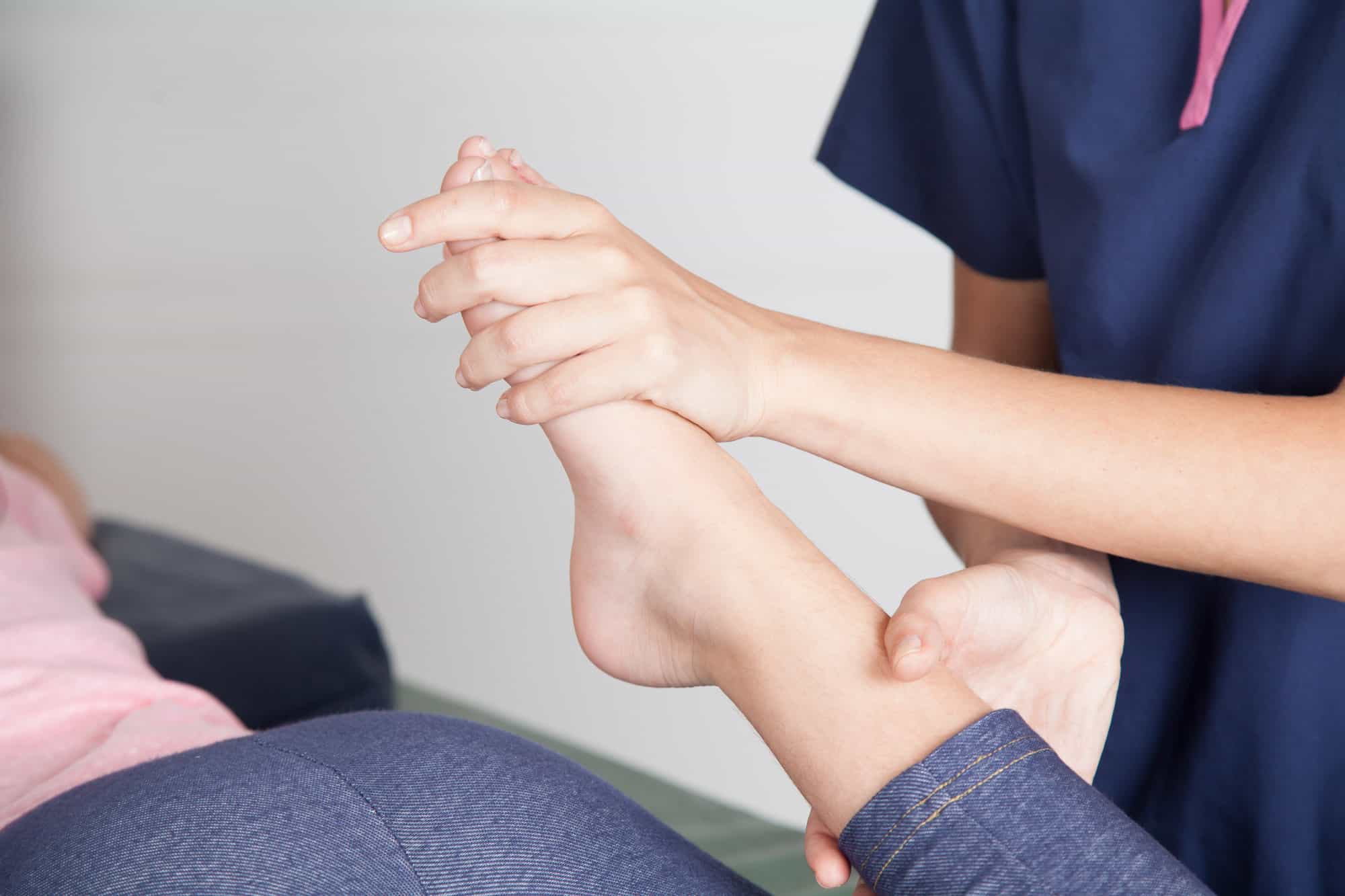
After ankle surgery, restoring your ankle’s range of motion is essential for recovery. Here’s what to expect with different types of ankle exercises:
Range of Motion Exercises
- Ankle Pumps: Start by moving your foot up and down, like you’re pressing a gas pedal – this exercise can enhance blood circulation and initiate ankle mobility.
- Ankle Circles: Rotate your ankle gently in clockwise and counter-clockwise directions. This exercise helps loosen the joint and increase flexibility.
- Toe Tapping: Lift your toes while keeping your heels on the ground, then alternate by lifting your heels and keeping your toes grounded. This exercise engages different muscles around the ankle.
- Assisted Stretches: Using a towel or resistance band, gently pull your foot towards you while keeping your knee straight. This stretch can aid in calf and ankle flexibility.
- Always Stay Within Comfort: While it’s essential to challenge your ankle, never push it to the point of pain. Focus on gentle, gradual movements, especially in the initial stages of recovery.
Strength and Stability Training
Building strength and stability post-surgery is equally important to prevent future injuries and recover efficiently. Here are some examples of the different types of exercises that can help:
- Resistance Band Exercises: Using a band, perform gentle pushes in various directions (forward, backward, side-to-side). The resistance will gradually build ankle strength.
- Heel Raises: Standing near a support (a kitchen counter or table will do), raise your heels off the ground and then lower them slowly. This action targets the calf muscles and aids in stability.
- Balance Exercises: Stand on one foot for as long as you comfortably can. As your stability improves, increase the duration.
- Toe Walking: Walk on your tiptoes for short distances. This strengthens the muscles in your feet and calves and promotes ankle stability.
Returning to Normal Activities
As the journey of recovery after ankle surgery unfolds, you may be eager to get back into your normal routine. Initially, the primary focus should be on comfortably bearing weight on your ankle. Relying on crutches or walking boots can help with this. Gradually introducing functional movements like standing from a seated position, walking on varied terrains, and climbing stairs can rebuild confidence and functionality in the ankle. It’s vital to listen to your body during this phase. If something feels off or painful, it might be wise to step back and evaluate.
As the healing process advances, reintroducing physical activities becomes the next milestone. Starting with low-impact exercises such as swimming or cycling can be beneficial. The key is to prioritize extending the duration of these exercises before amping up the intensity. Incorporating balance and agility drills as strength returns can fine-tune the coordination and responsiveness of the ankle.
Remember, the goal isn’t to race back to your old routines but to make a robust, sustained recovery. It’s about ensuring that when you return, it’s with confidence, strength, and stability.
Typical ankle surgery recovery timeline (general guide)
Your surgeon’s plan wins—this is a big-picture roadmap, please seek medical advise from your provider before doing this.
- Days 1–5: Prioritize rest + elevation to control swelling.
- Weeks 1–2: Protect the repair, manage swelling, keep the rest of the leg moving (as allowed). Swelling is common and can persist for months.
- Weeks 3–6: Gradual mobility + early strength (guided).
- Weeks 6–12: Many protocols begin progressing weight-bearing/boot weaning and structured PT (varies by procedure).
- 3–6 months: Most people are back to “normal life” activities with some swelling after long days.
- Up to 12 months: Full recovery for higher-demand goals can take longer.
When to call your surgeon (don’t tough these out)
Call urgently if you have:
- Fever/chills, increasing redness/warmth, or drainage at the incision (infection concern).
- Calf pain + one-sided swelling/warmth/redness (possible blood clot).
- Pain that is rapidly worsening or not controlled with the plan you were given.
Ready To Get Help With Physical Therapy?
A successful recovery post ankle surgery doesn’t have to be a prolonged ordeal. The journey begins with understanding the importance of the rehabilitation process and being aware of the steps needed for a quick and efficient recovery.
If you’re ready to prepare for ankle surgery or want a tailored plan to help you have a smooth recovery – click here to fill out this form and tell us more about what’s going on, and our team will be in touch. You can also give us a call here: (360) 474-3274Or, if you’re not quite ready to talk to us yet, why not download our FREE foot and ankle pain guide? Inside you’ll discover 7 different ways to ease foot and ankle pain, even if you’ve suffered for months and years.
Click HERE to download your free copy.
FAQ:
How long can you walk after ankle surgery?
That depends on your weight-bearing status (non-weight bearing vs partial vs full) and what your surgeon cleared. Early on, the safest “walk” is usually short, controlled trips (bathroom/kitchen) with the right device—crutches, walker, or boot—then you build from there. A simple rule: if you’re more swollen or sore the next morning, you did too much the day before.
How much pain after ankle surgery?
Some pain is normal, especially the first week, but it should be manageable and trending down, not escalating every day. Expect soreness, throbbing when the foot is down, and stiffness. If pain suddenly spikes, isn’t controlled with the plan you were given, or comes with increasing redness/warmth/drainage or fever, call your surgeon.
How long does stiffness last after ankle surgery?
Stiffness is common for weeks to months. Most people feel the most stiffness first thing in the morning or after sitting. The ankle often “loosens up” as swelling comes down and you restore motion and strength. Consistent rehab matters here—stiffness usually improves faster with the right mobility and strength progression than with rest alone.
How much bed rest after ankle surgery?
You don’t need to be in bed 24/7, but you do want a lot of elevation time early, especially the first 1–2 weeks. Think get up for essentials, then back to “foot above heart” as much as you can. Too much time with the foot hanging down usually means more swelling… and more swelling usually means more pain and slower progress.
Is ankle surgery considered a major surgery?
It can be. Anything that involves repairing or reconstructing tissue, hardware, or significant changes to the joint is “major” in the sense that it needs a real recovery plan—not just “rest and hope.” The good news: most outcomes are excellent when you manage swelling early, follow weight-bearing rules exactly, and rehab in the right phases.

- Low-Impact Cardio and Strength Training for Sciatica: What Actually Helps - June 1, 2026
- Spinal Fusion Recovery: What Patients in Bremerton, Silverdale, and Port Orchard Need to Know - April 8, 2026
- Hip Replacement Recovery: What Patients in Bremerton, Silverdale, and Port Orchard Need to Know - April 8, 2026